Case study · Zero to one · EdTech
Concept to live school pilots in seven months, as a team of one (plus AI)
- Company
- DoCurious — K-12 learning platform
- My role
- Co-Founder & Head of Product & UX
- Team
- Founding designer and builder; AI-assisted
- Timeframe
- Dec 2025 – present
- Status
- Live — school pilots running
- Live at
- explore.docurious.com ↗
Six audiences, kids under 13, and a team of one
DoCurious helps kids and adults do real-world challenges: hands-on projects that build skills and a portfolio of accomplishments. The product had to serve six audiences at once (students, parents, teachers, school administrators, content vendors, and brand sponsors), work for children under 13 without violating COPPA, and be credible enough for schools to buy. All with a team of approximately one.
Where I sat
Mine: everything a Head of Product and a Head of UX would own, from experience strategy and journey architecture to the design system and the quality bar. Plus most of the hands-on build, through an AI-assisted development workflow I designed and operate daily.
Shared: outside contributors ship features into the platform. My review bar, decision log, and design standards are what keep six audiences feeling like one product.
The calls that kept six audiences in one product
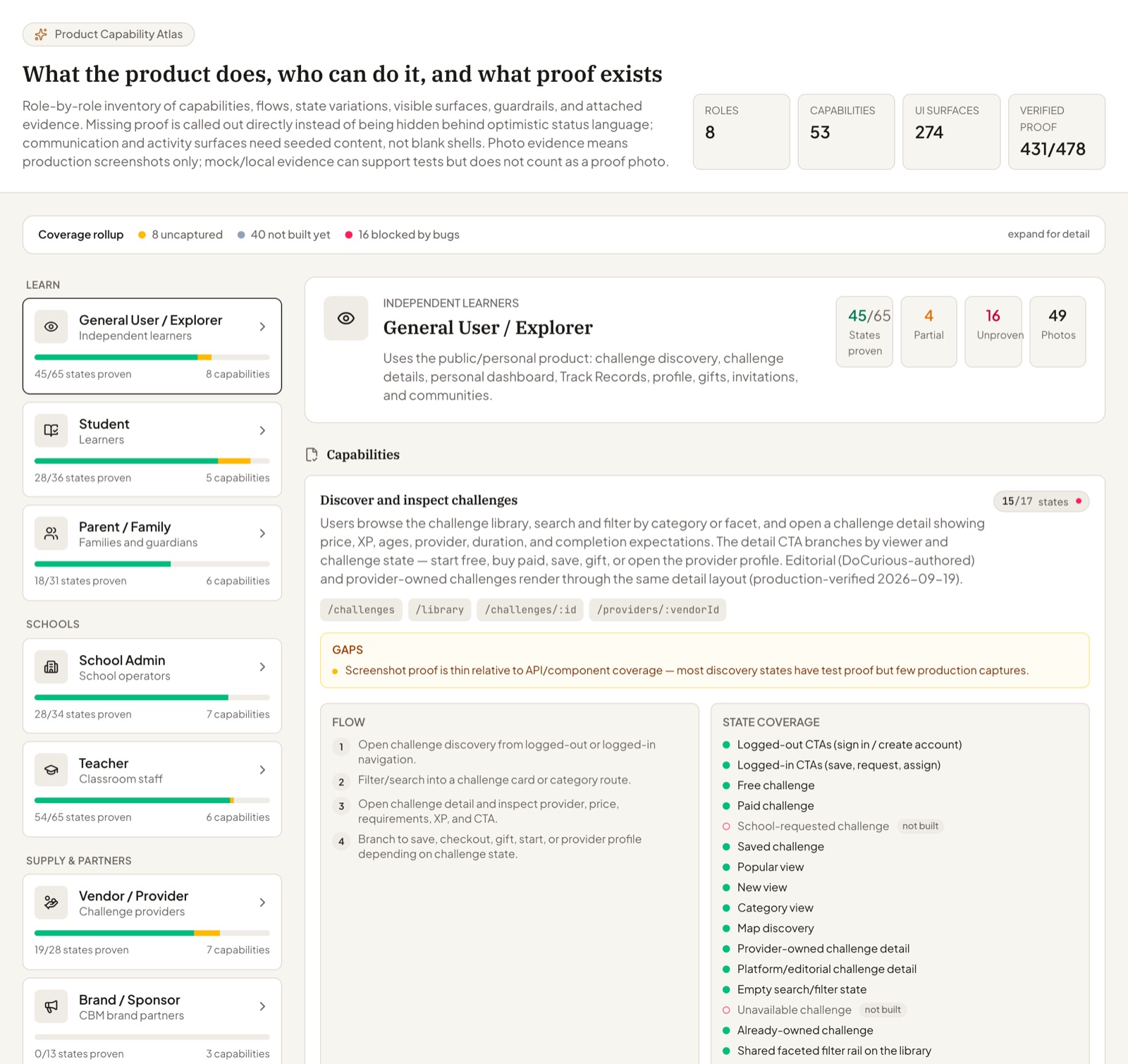
- An evidence system as the quality bar. I built a live proof system that verifies hundreds of distinct product states against production with screenshot evidence, then opened it to pilot-school leaders. When we say "it works" here, anyone can check.
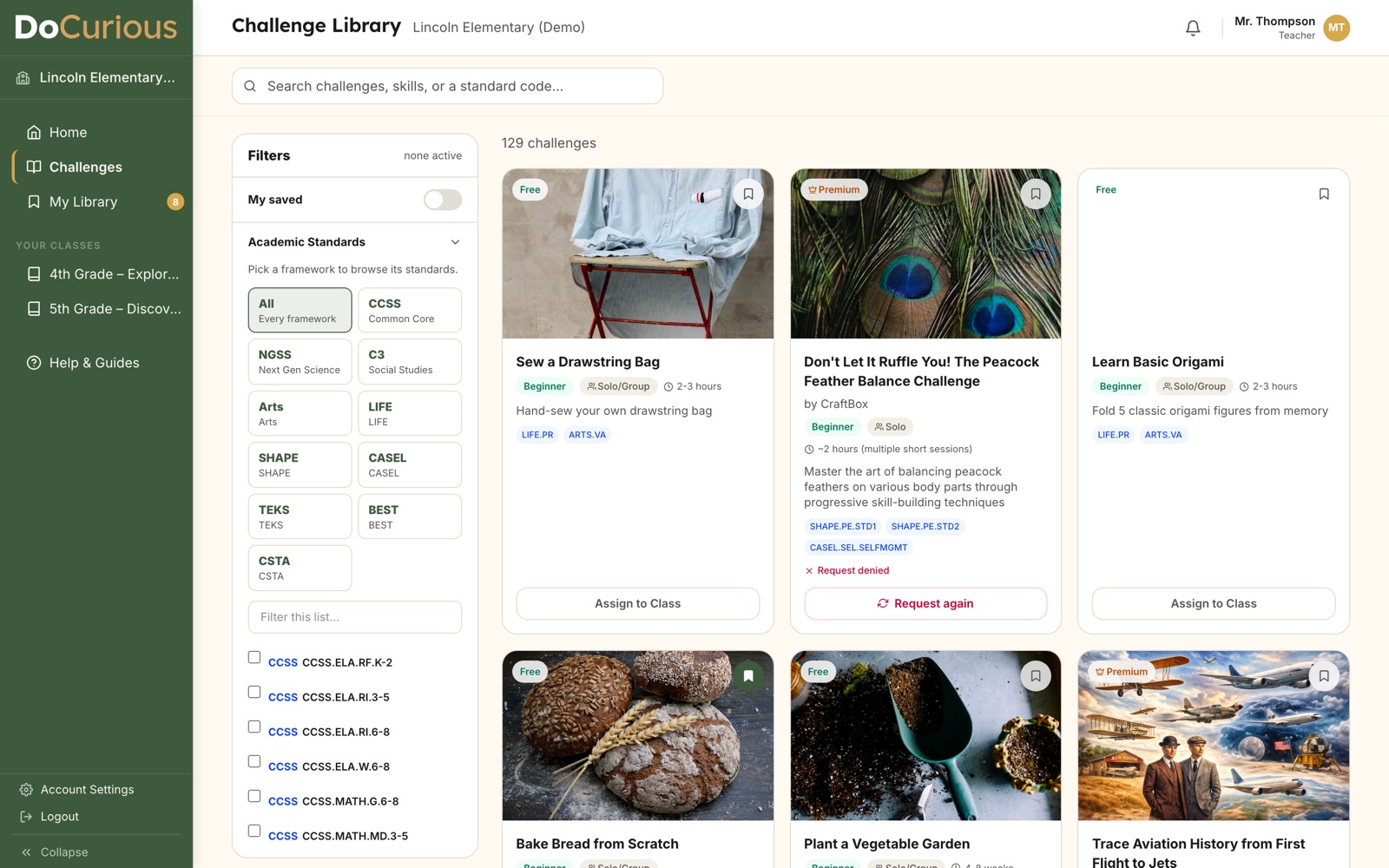
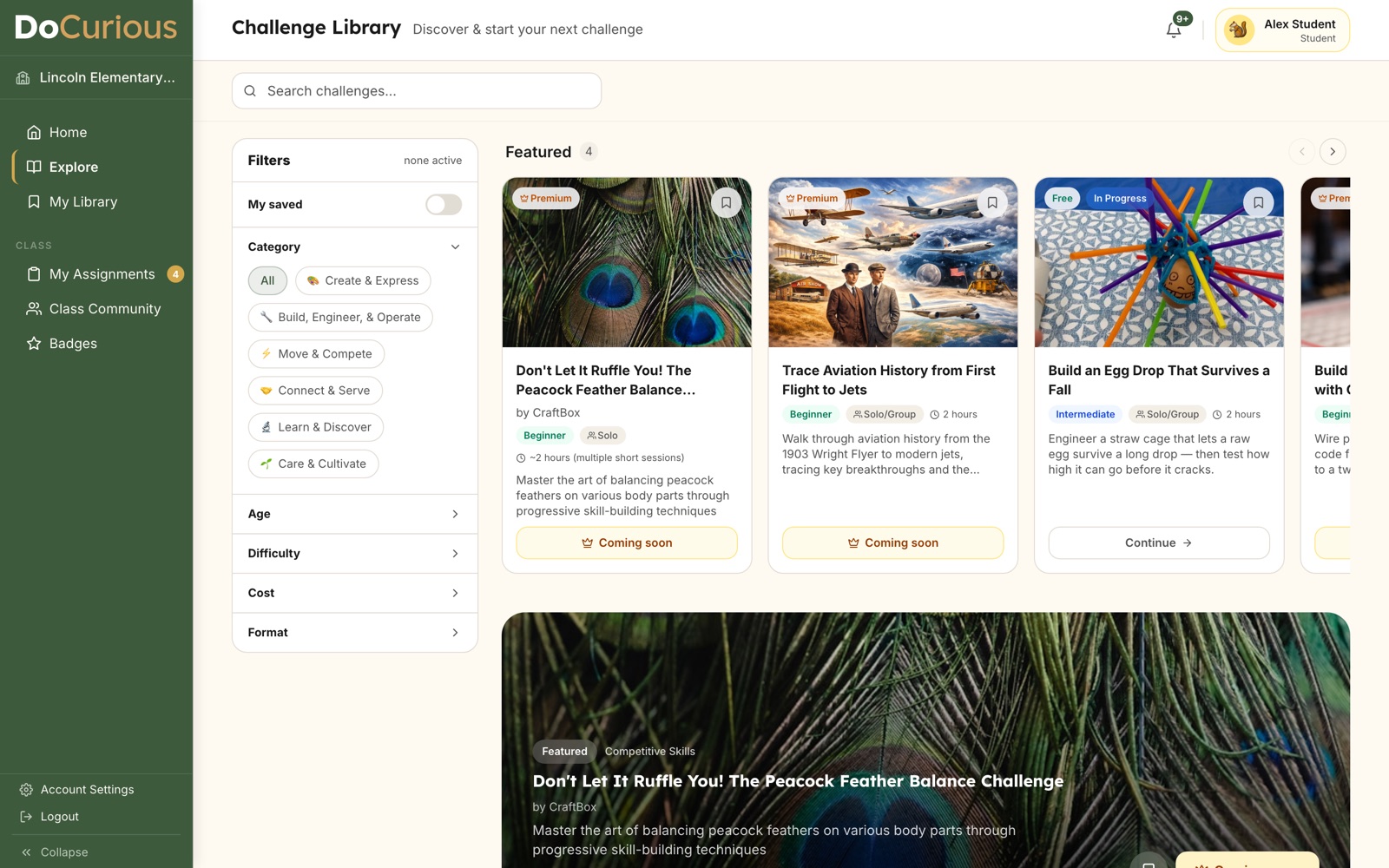
- One platform instead of six portals. Early pressure pushed toward separate teacher, student, and parent apps. I consolidated three competing discovery surfaces into a single role-aware library and folded parents into the main experience, which halved the surface area we had to keep coherent.
- COPPA became experience design. Consent states, parent-approval moments for sharing, and age-appropriate defaults were designed as first-class user journeys, so a kid's data is protected by how the flows are built rather than by a policy PDF nobody reads.
Every state designed, every rule traced to code
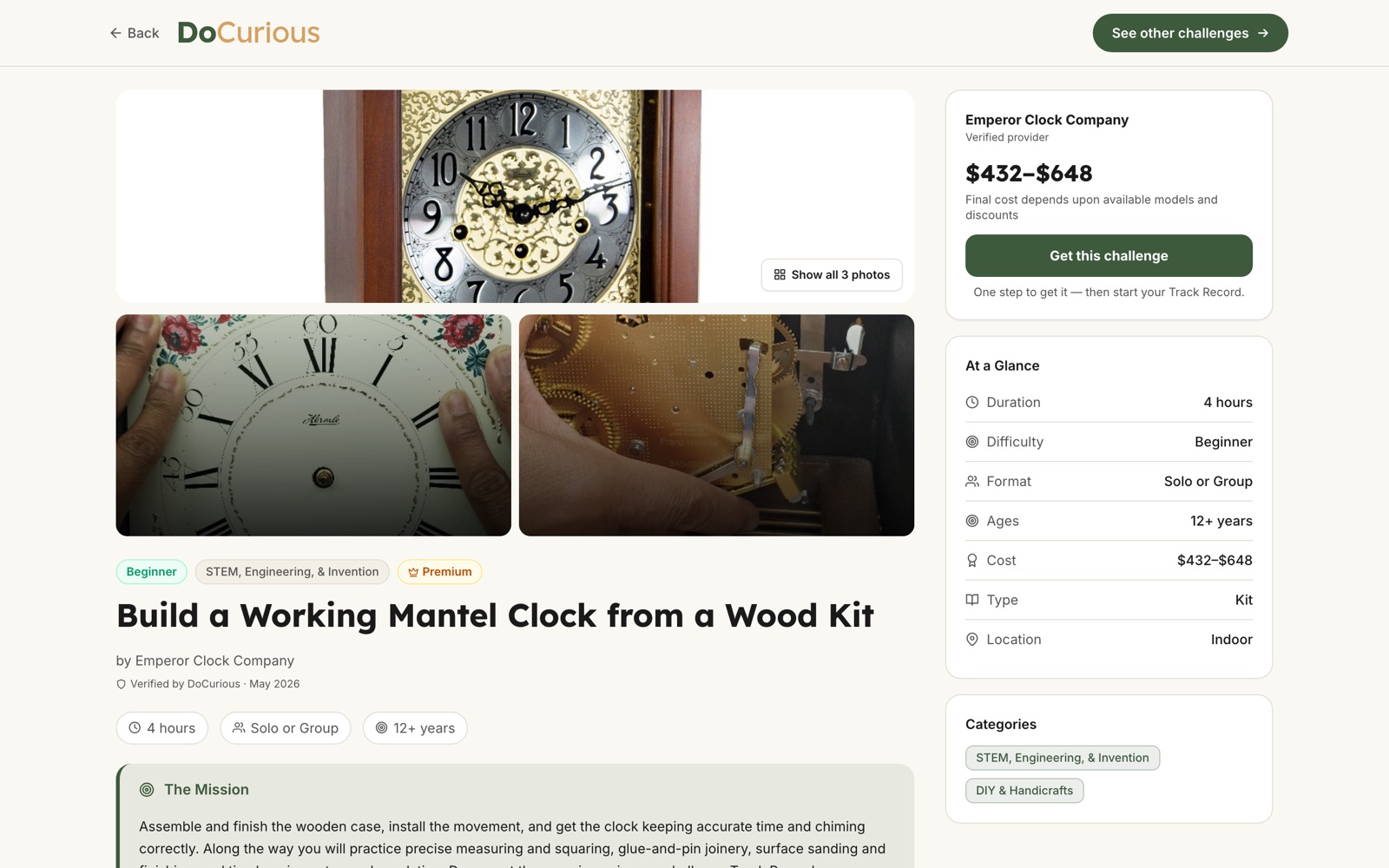
The design system runs from Figma design tokens compiled straight into production code, with a Storybook component library and written copy standards. Buttons say what they literally do; no metaphors allowed. Twenty canonical user journeys are documented in a product handbook where every behavior rule cites the code that implements it, and every state has a design: empty, error, loading, all of them.
Under the hood
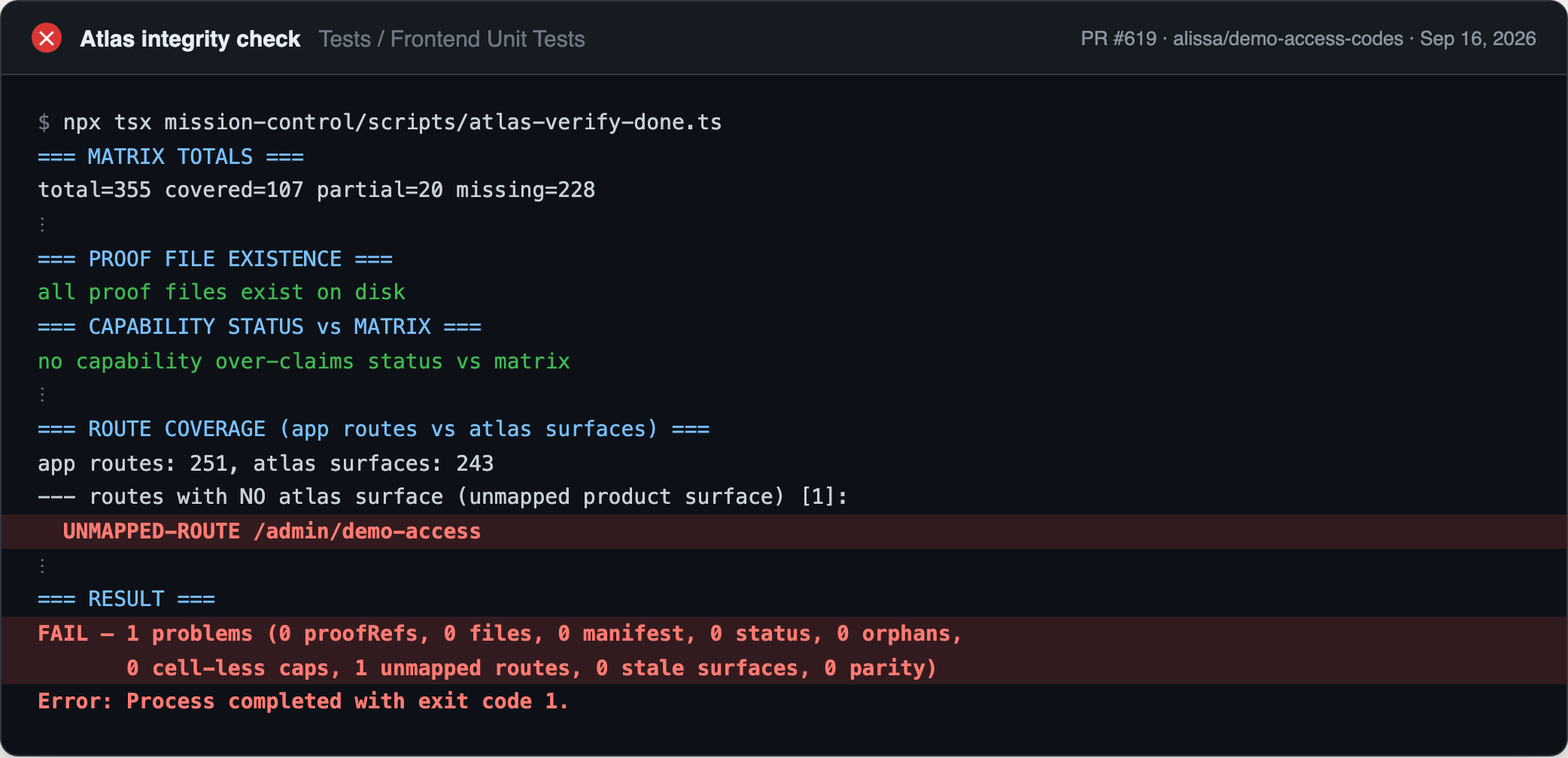
React and TypeScript on the front end, Express and PostgreSQL behind it, deployed on AWS. Prisma migrations with a dev-before-prod deploy discipline, a CI pipeline that runs unit, integration, and end-to-end suites, and quality gates that fail the build when a product state loses its proof. 2,000+ commits across 420+ reviewed pull requests. I review every change that merges, including my own.
Two schools live in seven months
- Two schools running live pilots within seven months of the first commit.
- Six user types served by one coherent, role-aware experience.
- COPPA-compliant by structure: consent-gated onboarding, parent-approval sharing, real data-rights flows.
- Built and shipped as effectively a solo operator, through an AI-assisted workflow with review gates I hold myself to.